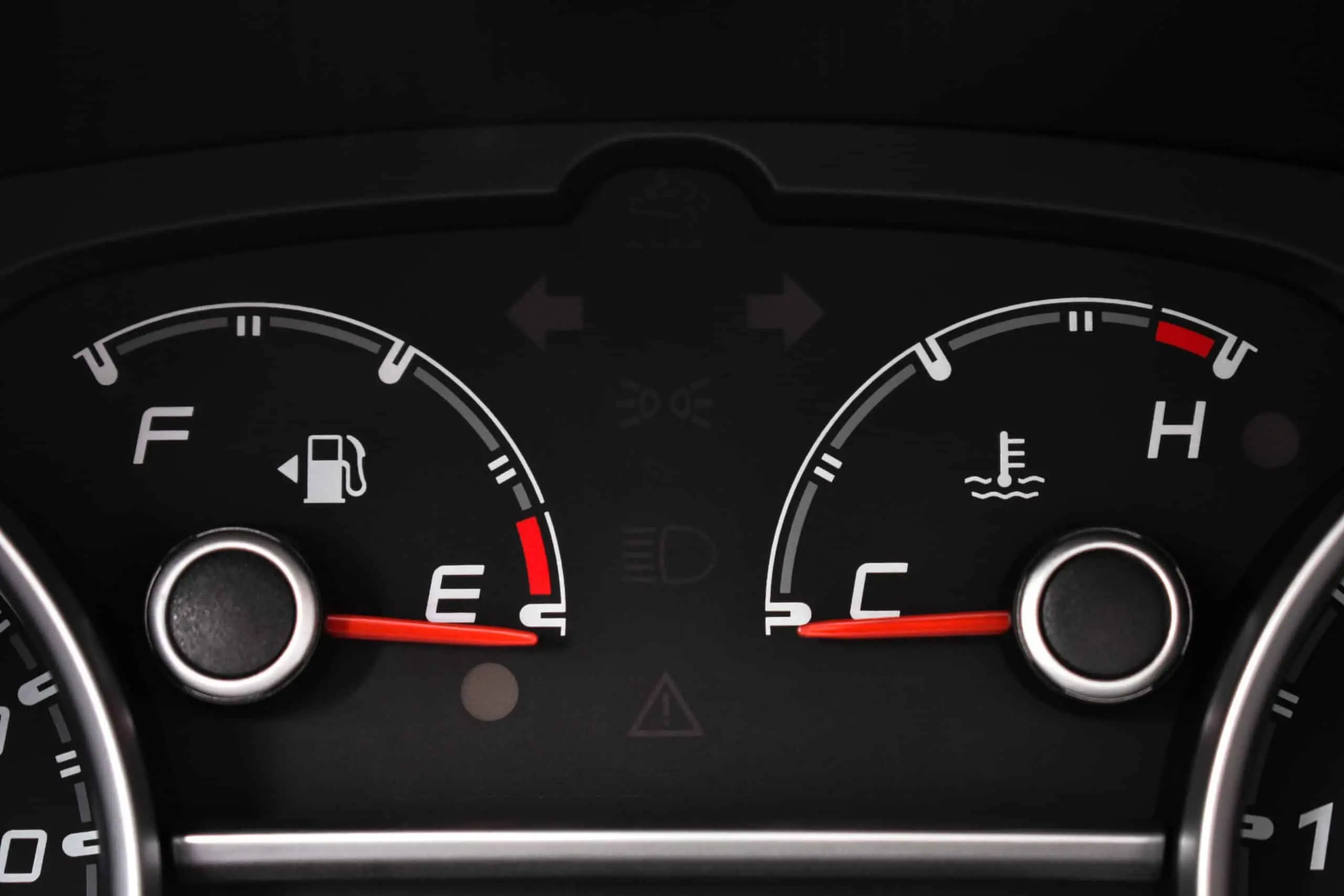
Seeing a “Check Coolant Level” warning on your Porsche dashboard can be stressful. Porsche engines are high-performance machines, and cooling problems should never be ignored.
The good news is that this warning does not always mean something serious. Sometimes it’s a simple fix, while other times it’s an early sign of a bigger issue.
This guide will walk you through exactly what to do, step by step, in clear and simple language.
What the Porsche Check Coolant Level Warning Means
The coolant in your Porsche keeps the engine at a safe temperature. When the system detects that coolant is too low or not flowing correctly, the warning light turns on.
This warning usually means one of three things:
- The coolant level is actually low
- The sensor is giving a false reading
- There is a leak or cooling system problem
Ignoring this message can lead to engine overheating, which can cause serious and expensive damage.
Step 1: Stay Calm and Reduce Engine Stress
If the warning appears while driving, do not panic.
- Slow down if you are driving fast
- Avoid aggressive acceleration
- Turn off sport or performance driving modes
- If possible, pull over safely and turn off the engine
If you also see a temperature warning or steam coming from the engine area, stop driving immediately.
Step 2: Let the Engine Cool Down Completely
Never open the coolant cap while the engine is hot.
- Wait at least 30 minutes
- Make sure the engine is cool to the touch
- Opening the system too early can cause burns
This step is critical for your safety.
Step 3: Check the Coolant Level Properly
Once the engine is cool, open the rear or front trunk depending on your Porsche model.
- Locate the coolant reservoir
- Look for the MIN and MAX markings
- The coolant level should be between these lines
If the coolant is below the minimum line, this is likely the cause of the warning.
Step 4: Add the Correct Coolant (If Low)
Only add coolant if the level is clearly low.
- Use Porsche-approved coolant or the correct equivalent
- Never use plain water unless it’s an emergency
- Add slowly to avoid air bubbles
After adding coolant:
- Close the cap tightly
- Start the engine
- Let it run for a few minutes
- Check if the warning disappears
If the warning goes away and does not return, the issue may have been a low coolant level only.
Step 5: Look for Visible Coolant Leaks
If the coolant level was low, the next question is why.
Check for signs of leaks:
- Puddles under the car (usually pink, red, or orange)
- Sweet or chemical smell near the engine
- White residue around hoses or connections
Common leak points on Porsche vehicles include:
- Coolant hoses
- Expansion tank cracks
- Water pump seals
- Radiator connections
Even a small leak can trigger the warning.
Step 6: Understand When the Warning Is Not About Coolant Level
Sometimes the coolant level is normal, but the warning still appears. This can happen due to:
- Faulty coolant level sensor
- Electrical connection issues
- Software glitches in the control system
In these cases, adding coolant will not fix the problem.
If the coolant level looks correct and there are no leaks, the vehicle will likely need diagnostic scanning.
Step 7: Restart the Car and Monitor the Warning
After checking or topping off coolant:
- Restart the engine
- Drive for a short distance
- Watch the temperature gauge
- See if the warning returns
If the warning stays off, continue to monitor the coolant level over the next few days.
If the warning comes back, do not ignore it.
Step 8: Know When It’s Safe to Drive and When It’s Not
You may continue driving if:
- Coolant level is correct
- Engine temperature stays normal
- No leaks are visible
- Warning does not return
You should stop driving if:
- The temperature gauge rises quickly
- Steam appears
- Coolant smell becomes strong
- The warning keeps coming back
Driving with an active cooling problem can lead to engine overheating and head gasket damage.
Step 9: Get a Professional Inspection When Needed
If the warning continues or you are unsure, a professional inspection is the safest choice.
A Porsche specialist can:
- Pressure-test the cooling system
- Scan for fault codes
- Check the coolant sensor
- Inspect hoses, pump, and radiator
Catching the issue early often saves thousands of dollars in repair costs.
How to Prevent the Coolant Warning in the Future
Regular maintenance goes a long way with Porsche vehicles.
- Check coolant level every few months
- Watch for small leaks early
- Replace old hoses before they fail
- Follow Porsche service intervals
- Never ignore warning lights
A healthy cooling system keeps your Porsche running strong and reliable.
Final Thoughts
The Porsche Check Coolant Level warning is your car’s way of protecting its engine. Sometimes the fix is as simple as topping off coolant. Other times, it’s an early warning of a problem that needs attention.
The key is to act quickly, stay safe, and never ignore the message. Taking the right steps at the right time helps protect your Porsche’s performance, value, and engine health for years to come.