Turbochargers play a vital role in improving your vehicle’s engine performance. They increase the amount of air and fuel entering the engine, boosting power and efficiency.
However, like any mechanical part, turbos can wear out over time. Identifying the early symptoms of turbo failure can help you avoid costly repairs and prevent further damage to your car.
In this blog post, we’ll explore the signs that your VW turbo might be failing and what you should look out for.
1. Loss of Power and Acceleration
One of the most common signs of a failing turbo is a noticeable loss of power and acceleration. If your VW isn’t responding as it used to when you press the gas pedal, the turbocharger might not be functioning properly.
A malfunctioning turbo may not be able to supply the engine with the extra boost it needs, leading to sluggish performance.
You might notice this loss of power especially when trying to accelerate at higher speeds, such as when merging onto highways or attempting to pass other vehicles.
What to Do:
- If you experience a sudden decrease in power, it’s important to have your vehicle checked by a professional as soon as possible.
- Regular maintenance and timely repairs can prevent further damage to the turbo system.
2. Whining or Siren-like Noise
A whining, siren-like noise from under the hood, especially when accelerating, can indicate an issue with your turbo. This noise is often caused by a malfunctioning bearing or damaged turbo blades. As the turbo begins to fail, the noise may become louder and more noticeable.
This sound can be accompanied by other unusual engine noises, like a hissing sound, which may indicate a boost leak in the turbo system.
What to Do:
- If you hear unusual noises, it’s crucial to get your car inspected by a mechanic who can assess the condition of the turbocharger.
- Ignoring these noises can lead to more significant damage to your engine.
3. Excessive Smoke From the Exhaust
Another symptom of a failing turbo is excessive smoke coming from your exhaust. This is often a result of oil leaking into the combustion chamber, which occurs when the turbo’s internal seals are damaged. There are two types of smoke you might encounter:
- Blue Smoke: This typically indicates that engine oil is burning and may be a sign that the turbocharger’s seals are failing.
- Black Smoke: This indicates too much fuel is being burned, which could be due to a malfunctioning turbo system that is unable to regulate air properly.
What to Do:
- If you notice excessive smoke, it’s best to take your car to a mechanic immediately to prevent further engine damage.
- Don’t attempt to drive for long periods with excessive smoke, as it may damage the engine components.
4. Check Engine Light or Warning Messages
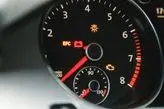
Many modern VW vehicles have sensors that monitor the performance of the turbo system. If there is a fault with the turbo, you might see the check engine light or specific warning messages on the dashboard. These lights or messages could be triggered by turbo failure, boost leaks, or issues with the related components.
What to Do:
- If your check engine light comes on, it’s important to have your car scanned for diagnostic codes to pinpoint the problem.
- The earlier you address the issue, the more likely you are to avoid major engine repairs.
5. Increased Fuel Consumption
If you notice that your fuel consumption is increasing, it might be a sign that your turbo is not working efficiently. A failing turbo may cause the engine to burn more fuel as it struggles to maintain power. This can lead to a decrease in overall fuel economy, making your car more expensive to run.
What to Do:
- If your fuel economy drops significantly, have your car inspected to determine whether the turbo is working at full capacity.
- Regular servicing and timely turbo repairs can help keep your fuel consumption in check.
6. Oil Leaks Around the Turbocharger
Oil leaks are another red flag when it comes to turbo failure. If you notice oil puddles or stains around your turbo area, it could indicate a leaking seal or crack. Over time, these oil leaks can cause significant damage to the turbocharger and other engine components.
What to Do:
- If you spot oil around the turbocharger, it’s crucial to have the seals and gaskets checked.
- Continuing to drive with an oil leak can lead to turbo failure and potential engine damage.
7. Poor Idle or Rough Running Engine
If your car feels rough at idle or the engine starts to misfire, it could be a sign of a failing turbo. The turbocharger is designed to help the engine run smoothly and efficiently. When it starts to fail, the engine may struggle to maintain a steady idle, resulting in a rough-running engine.
What to Do:
- A rough idle could also be related to other issues, so it’s important to have your vehicle checked by a professional.
- Turbo failure is often accompanied by poor engine performance, so identifying this symptom early can help prevent major engine issues.
Conclusion
Recognizing the early signs of turbo failure in your VW can save you time, money, and potential headaches in the long run. If you notice any of these symptoms, it’s important to take action and have your turbocharger checked by a qualified mechanic.
Early diagnosis and repair can help prevent extensive damage to the engine and keep your car running at peak performance. Remember to schedule regular maintenance and stay alert to any changes in your vehicle’s performance.