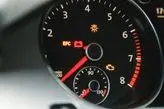
When a BMW drives smoothly one day and lights up the dashboard the next, it can feel stressful. A glowing Check Engine Light is your car’s way of asking for attention.
In many BMW models, one common cause comes from the Valvetronic system. This system controls how much air enters the engine without using the throttle the same way other cars do. When it starts to fail, warning signs appear fast. Ignoring them can lead to rough driving, poor fuel use, and costly repairs.
This guide breaks down the most common BMW Valvetronic symptoms that trigger the Check Engine Light. Each sign is explained in simple terms so you know what is happening and why it matters.
What the BMW Valvetronic System Does
BMW Valvetronic changes how far the intake valves open. Instead of using the throttle plate for power control, the engine adjusts valve lift. This helps improve fuel economy, throttle response, and emissions.
When any part of this system fails, the engine control unit detects the problem. The Check Engine Light turns on to warn the driver before damage spreads.
Check Engine Light With No Other Warning
One early sign of Valvetronic trouble is a Check Engine Light with no clear driving issue. The car may still feel normal, yet a fault code is stored.
This often happens when:
- The Valvetronic motor starts to wear
- The eccentric shaft sensor sends unstable signals
- Electrical resistance changes inside the system
Catching this stage early can save a lot of money since the engine has not entered limp mode yet.
Rough Idle at Stoplights
A shaky idle is one of the most common BMW Valvetronic symptoms. The engine may vibrate, stumble, or feel uneven while stopped.
This happens because the intake valves are not opening at the correct height. Airflow becomes inconsistent, causing poor combustion. The engine computer notices the imbalance and turns on the Check Engine Light.
If ignored, the rough idle can turn into stalling.
Sudden Loss of Engine Power
When Valvetronic problems get worse, the engine may feel weak. Acceleration becomes slow, especially at low speeds.
In many cases, the BMW enters a safety mode to protect the engine. Power is reduced on purpose. This is often paired with a Check Engine Light and warning messages on the dash.
Loss of power usually points to:
- A failing Valvetronic motor
- Binding of the eccentric shaft
- Incorrect valve lift values
Engine Stalling or Nearly Stalling
Some drivers notice the engine almost dies when slowing down or stopping. In severe cases, the engine stalls completely.
This symptom occurs when the intake valves fail to adjust fast enough. The engine cannot keep a stable idle speed. The control unit detects repeated misfires or airflow faults and triggers the Check Engine Light.
Stalling can be dangerous in traffic and should never be ignored.
Hard Starting or Extended Cranking
Valvetronic issues can make starting the engine harder than usual. The starter may crank longer before the engine fires up.
This happens because the valve lift position is incorrect during startup. The air-fuel mix becomes unstable. The engine computer logs a fault and turns on the Check Engine Light.
Cold starts tend to make this issue more noticeable.
Poor Fuel Economy Without Driving Changes
A sudden drop in fuel mileage can also point to Valvetronic trouble. The engine loses its ability to control airflow efficiently.
When valve lift control fails, the engine burns more fuel to maintain power. The system detects abnormal air readings and sets fault codes, lighting the Check Engine Light.
If fuel costs rise with no change in driving habits, Valvetronic should be checked.
Jerking or Hesitation While Driving
Some BMW drivers feel brief jerks or hesitation during light acceleration. The car may surge, then settle.
This is caused by delayed valve lift adjustments. The engine struggles to match airflow with throttle input. Sensors report inconsistent data, which leads to a Check Engine Light.
This symptom often appears before full power loss.
Clicking or Whining Noise From Engine Bay
Unusual noises can also signal Valvetronic problems. A clicking, buzzing, or whining sound near the valve cover may be heard.
These sounds usually come from:
- A stressed Valvetronic motor
- Mechanical resistance in the eccentric shaft
When the motor works harder than normal, the engine control unit flags the issue and triggers the Check Engine Light.
Check Engine Light With Valvetronic-Specific Fault Codes
Many BMW scan tools show Valvetronic-related codes when problems occur. These codes point directly to valve lift control issues.
Common code themes include:
- Valvetronic motor movement errors
- Eccentric shaft sensor faults
- Valve lift limit reached
Even if the car still drives, these codes mean the system is no longer working as designed.
Limp Mode Activation
In serious cases, the BMW may enter limp mode. Throttle response becomes dull, engine speed may be limited, and the car feels heavy.
This is a protective step taken by the engine computer. Limp mode is often paired with a Check Engine Light and reduced performance warnings.
Once limp mode appears, repairs should not be delayed.
What Causes Valvetronic Problems
Several issues can trigger these symptoms:
- Natural wear of the Valvetronic motor
- Oil sludge buildup affecting moving parts
- Electrical faults in sensors or wiring
- Poor oil quality or skipped oil changes
Clean oil plays a major role in keeping Valvetronic parts moving freely.
Can You Keep Driving With the Check Engine Light On
Driving short distances may be possible if symptoms are mild. Still, continued driving can lead to:
- Increased engine wear
- More expensive repairs
- Sudden loss of power
If the Check Engine Light flashes or power drops sharply, driving should stop.
How Valvetronic Issues Are Diagnosed
Proper diagnosis requires a BMW-capable scan tool. Technicians check:
- Fault codes
- Valvetronic motor operation
- Eccentric shaft sensor data
- Mechanical movement inside the valve train
Guessing or replacing random parts often leads to wasted money.
Final Thoughts
BMW Valvetronic symptoms that trigger the Check Engine Light often start small and grow worse over time. Rough idle, power loss, poor fuel mileage, and hard starting are all warning signs that should not be ignored.
Addressing the issue early helps protect engine performance and keeps repair costs under control. When the Check Engine Light comes on in a BMW, Valvetronic should always be part of the inspection.