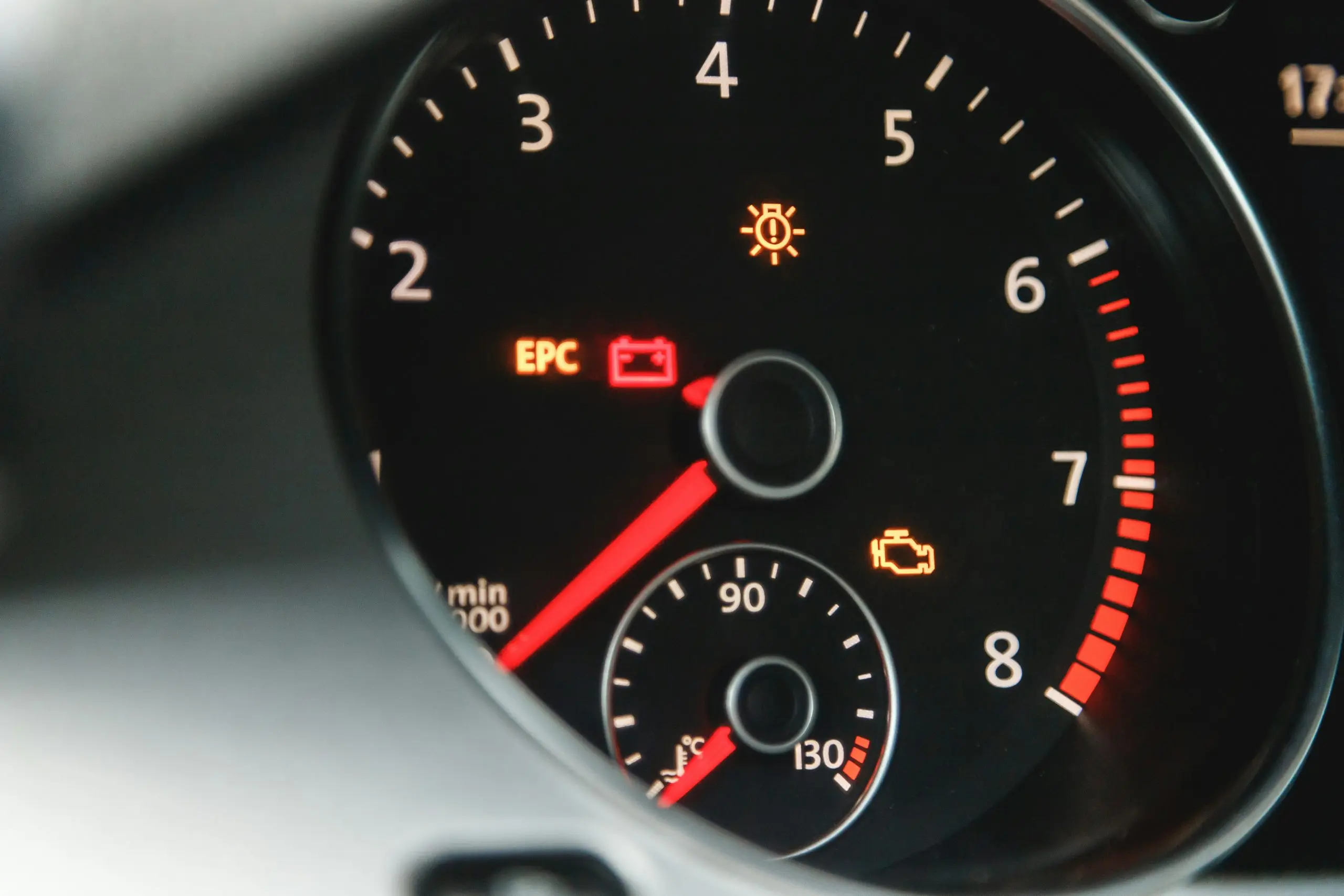
Seeing the battery light turn on while you’re driving can be scary. Many drivers think it means their battery is about to die right away. Sometimes that’s true—but not always.
This warning light is part of your car’s charging system, and it can point to several different problems. Some are minor. Others can leave you stranded if ignored.
Let’s break it down in simple terms so you know what the battery light really means, what causes it, and what you should do next.
What Is the Battery Light, Really?
The battery light doesn’t just watch the battery. It monitors the entire charging system, including:
- The battery
- The alternator
- The drive belt
- Electrical connections
When the light comes on, your car is saying:
“I’m not charging the battery properly.”
That means your car may be running only on battery power, which won’t last long.
Does the Battery Light Always Mean the Battery Is Bad?
No. A failing battery is only one possible cause.
Many times, the real issue is that the battery isn’t being charged, not that it’s already dead.
Think of it like this:
- The battery stores power
- The alternator refills it while you drive
If the refill system fails, the battery light comes on—even if the battery itself is still good.
Common Reasons the Battery Light Comes On
1. Failing Alternator (Most Common Cause)
The alternator creates electricity while the engine runs. If it stops working:
- The battery stops charging
- The car runs on stored battery power
- The battery light turns on
Once the battery runs out, the engine will shut off.
Signs of a bad alternator include:
- Dim or flickering headlights
- Electrical issues
- Car stalling while driving
2. Loose or Broken Drive Belt
The alternator is powered by a belt connected to the engine.
If that belt is:
- Loose
- Worn
- Broken
The alternator can’t work.
Sometimes this fix is simple and inexpensive—but only if caught early.
3. Weak or Failing Battery
A battery that’s old or damaged may:
- Struggle to hold a charge
- Trigger the warning light
- Cause slow starts
Most car batteries last 3 to 5 years. Extreme heat or cold can shorten that life.
4. Corroded or Loose Battery Connections
Battery terminals can build up corrosion over time.
This can:
- Block electricity flow
- Confuse the charging system
- Turn the battery light on
In some cases, cleaning the terminals solves the problem.
5. Electrical System Problems
Modern cars rely on sensors and computers.
A bad:
- Voltage regulator
- Fuse
- Wiring connection
Can cause the battery light to come on—even if major parts are fine.
Can You Keep Driving When the Battery Light Is On?
Only for a short time—and only if necessary.
Once the light turns on:
- The battery may stop charging
- Electrical systems begin shutting down
- Power steering and brakes may feel different
You could lose:
- Headlights
- Dashboard display
- Engine power
Driving too long can leave you stranded or cause more damage.
What Should You Do Right Away?
Step 1: Turn Off Extra Electrical Loads
Reduce battery drain by turning off:
- Radio
- Seat heaters
- AC or heater fan
- Phone chargers
Step 2: Check for Obvious Issues
If it’s safe:
- Look under the hood
- Check if the belt is broken
- See if battery cables look loose
Step 3: Get the Charging System Tested
Auto parts stores often test:
- Battery
- Alternator
- Starter
This helps pinpoint the exact problem quickly.
Step 4: Visit a Mechanic ASAP
Even if the car seems fine, don’t delay.
A small charging issue can turn into:
- A dead car
- A tow bill
- Electrical damage
What Happens If You Ignore the Battery Light?
Ignoring the warning can lead to:
- Sudden engine shutdown
- Loss of steering assist
- Dead battery
- Stranded vehicle
- Damage to electronics
In short: It’s not a light you should ignore.
Battery Light vs. Check Engine Light
These two lights mean different things.
- Battery light = Charging system problem
- Check engine light = Engine or emissions issue
If both come on at the same time, the problem may be serious and needs immediate attention.
How to Prevent Battery Light Problems
You can lower your risk by:
- Replacing the battery on schedule
- Inspecting belts during oil changes
- Keeping battery terminals clean
- Paying attention to dim lights or slow starts
Small warning signs often appear before the battery light does.
Quick FAQ
Can cold weather cause the battery light?
Cold can weaken a battery, but the light usually means a charging issue, not temperature alone.
Will jump-starting fix the problem?
Only temporarily. If the alternator is bad, the light will come back.
Can a bad battery damage the alternator?
Yes. A failing battery can force the alternator to work harder, shortening its life.
Final Thoughts
When your battery light comes on, it’s your car’s way of warning you that something in the charging system isn’t right.
It doesn’t always mean the battery is dead—but it does mean action is needed right away.
Catching the issue early can:
- Save money
- Prevent breakdowns
- Protect your car’s electrical system
If that light appears, don’t panic—but don’t ignore it either.