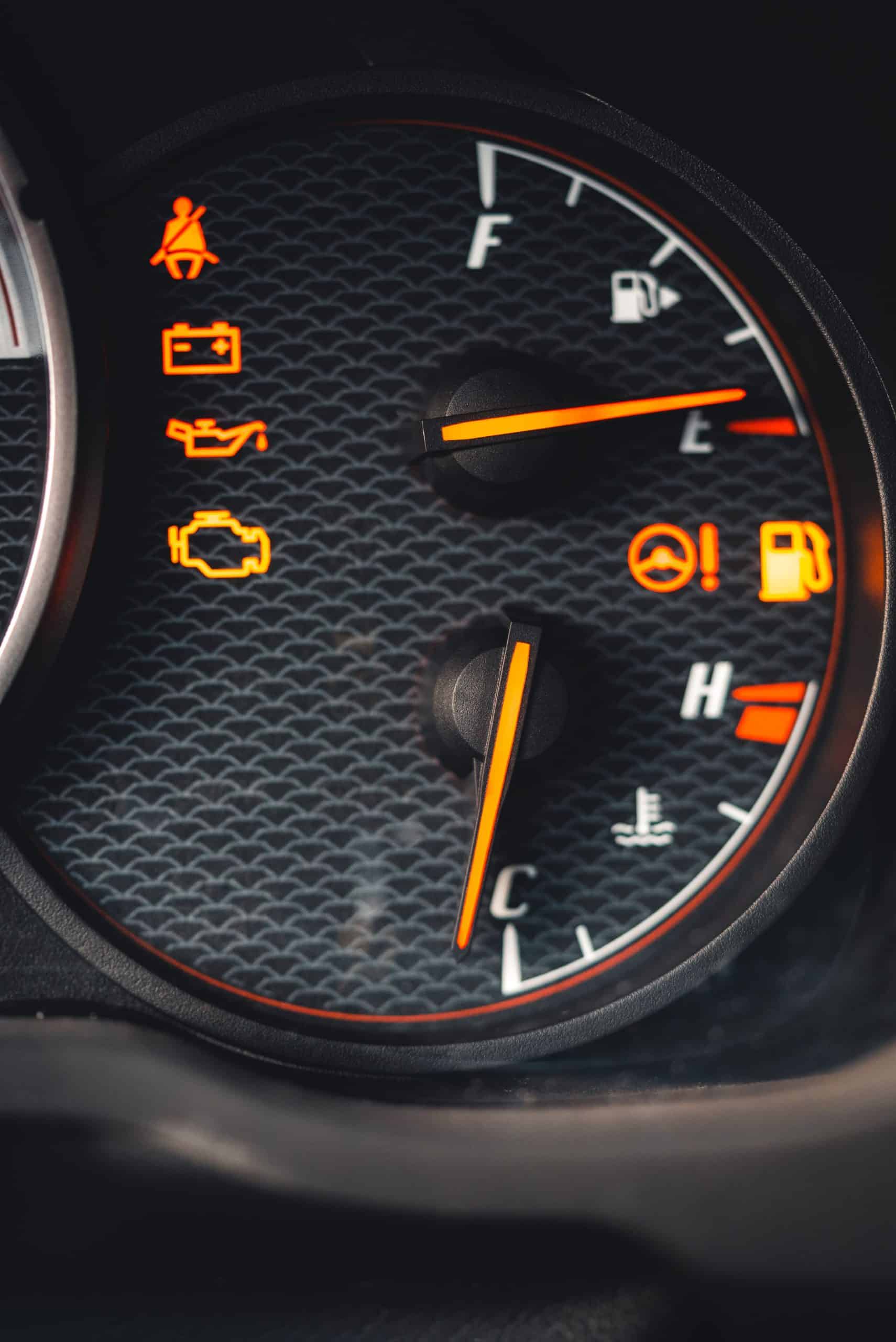
Modern vehicles rely on an electric water pump to keep engine temperatures steady. Unlike older belt-driven pumps, this electric unit runs based on sensor input and computer commands.
That design improves efficiency—but it also means the pump can fail in quieter, more confusing ways. The good news is that clear warning signs usually appear well before a full breakdown. Knowing those signs can save you from overheating, engine damage, and expensive repairs.
This guide explains how BMW electric water pump failing symptoms show up early, what they feel like while driving, and why you should never ignore them.
What the BMW Electric Water Pump Does
The electric water pump circulates coolant through the engine, radiator, and heater core. It adjusts flow based on engine load, temperature, and driving conditions. Because it’s controlled electronically, it doesn’t always fail all at once. Instead, it often weakens over time, creating warning symptoms that come and go.
Early Warning Signs Before a Complete Failure
1. Engine Temperature Rises Without Warning
One of the earliest signs is unpredictable temperature behavior. The engine may run at normal temperature most of the time, then suddenly climb higher—especially in traffic or during hot weather.
You might notice:
- The temperature gauge creeping up and then dropping back down
- Temperature spikes after long idling
- Heat building faster than usual after startup
These changes happen because the pump motor struggles to maintain steady coolant flow.
2. Overheating at Idle but Cooling While Driving
A weak electric water pump often fails first at low speeds. At idle, the pump has to work harder to circulate coolant without help from airflow.
Common pattern:
- Engine runs hot at stoplights
- Temperature improves once you start driving
- Cooling fans seem to run more often
This on-and-off overheating is a classic sign the pump is nearing failure.
3. Reduced Cabin Heater Performance
If your cabin heater suddenly feels weaker, especially at idle, the electric water pump may not be pushing enough coolant through the heater core.
You may experience:
- Lukewarm air instead of hot heat
- Heat that improves when revving the engine
- Inconsistent cabin temperature
This symptom is often overlooked but appears early in the failure process.
4. Cooling Fan Runs Constantly or Very Loud
When the engine control module senses rising temperatures, it commands the radiator fan to work harder. A failing water pump often triggers this response.
Watch for:
- Cooling fan running even when the engine isn’t hot
- Loud fan noise shortly after startup
- Fans staying on after shutting off the engine
The fan is compensating for weak coolant circulation.
5. Warning Messages on the Dashboard
BMW vehicles are good at alerting drivers—when sensors detect trouble.
Common messages include:
- “Engine temperature high”
- “Reduce speed to prevent overheating”
- “Drive moderately”
These warnings may disappear after restarting the car, but that does not mean the problem is fixed. Intermittent warnings often signal an electric pump on its last legs.
6. Loss of Power or Reduced Performance Mode
As engine temperatures rise, BMW’s computer protects the engine by limiting power.
You may notice:
- Sluggish acceleration
- Throttle response reduced
- Vehicle entering limp mode
These symptoms often happen before full overheating, giving you a chance to act early.
7. Coolant Temperature Fault Codes
Even without a warning light, diagnostic scans often reveal hidden clues.
Common fault patterns:
- Coolant temperature not reaching target
- Temperature fluctuation errors
- Water pump speed mismatch codes
These codes suggest the pump motor is not responding correctly to commands.
8. Unusual Electrical Behavior
Because the pump is electric, failure can affect the electrical system.
Possible signs:
- Battery voltage warnings
- Random electrical faults
- Pump running after engine shutdown
A failing pump motor may draw excessive current or shut down unexpectedly.
9. No External Coolant Leaks
Unlike mechanical pumps, electric water pumps usually fail internally.
That means:
- No coolant dripping on the ground
- No obvious wet spots
- Coolant level may remain normal
This makes diagnosis tricky, as many drivers assume no leak means no pump problem.
10. Sudden Breakdown Without Warning—After Ignoring Early Signs
If early symptoms are ignored, failure can become sudden and severe.
Final-stage failure may include:
- Rapid overheating
- Red temperature warning
- Engine shutdown to prevent damage
- Tow truck required
At this point, continuing to drive can warp the cylinder head or damage the engine.
Why BMW Electric Water Pumps Fail Gradually
Electric water pumps are exposed to:
- High heat
- Constant vibration
- Electrical load stress
- Coolant contamination
Over time, the internal motor bearings and electronics wear down. Instead of snapping instantly, performance degrades in stages, creating the symptoms described above.
When Do These Symptoms Usually Appear?
Many BMW electric water pumps begin showing warning signs between:
- 60,000 to 100,000 miles
- Earlier in hot climates or heavy traffic use
- Sooner if coolant maintenance is neglected
Preventive replacement is often recommended once early symptoms appear.
What To Do If You Notice These Symptoms
If you notice even one or two of these signs:
- Stop aggressive driving
- Avoid long idling sessions
- Monitor engine temperature closely
- Schedule a diagnostic inspection
- Do not ignore repeated warnings
Replacing the pump early is far cheaper than repairing an overheated engine.
Can You Keep Driving With a Failing Electric Water Pump?
Short trips may be possible, but the risk increases every time you drive. Electric pumps can fail without notice once they weaken.
Driving risks include:
- Sudden overheating
- Engine damage
- Being stranded unexpectedly
If symptoms are present, driving should be limited until repairs are made.
Final Thoughts
BMW electric water pump failures rarely happen without warning. Temperature fluctuations, weak cabin heat, loud cooling fans, and dashboard alerts all appear before a breakdown. The key is recognizing these early signs and acting quickly.
Paying attention now can save thousands later—and keep your BMW running cool, smooth, and reliable.