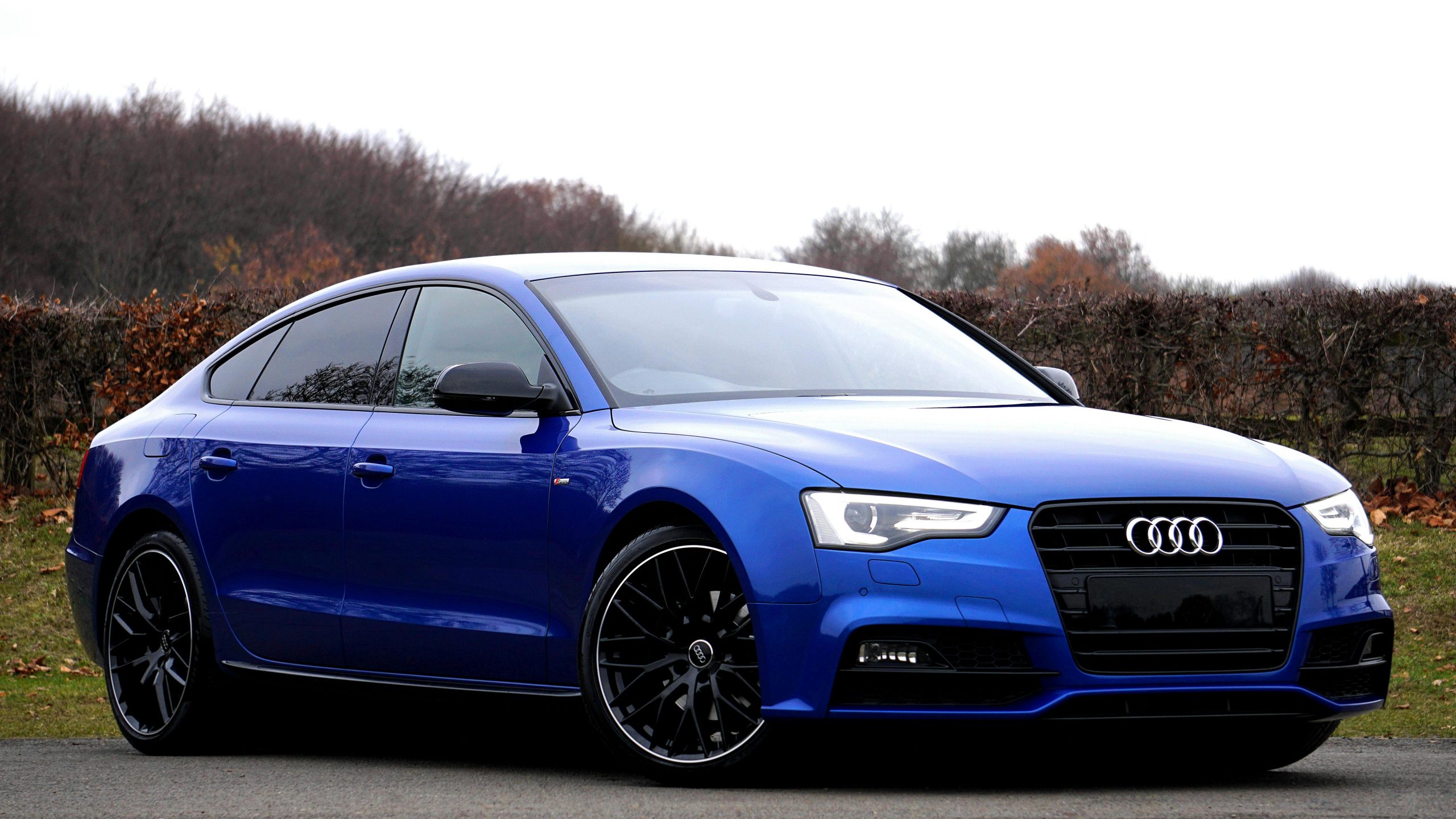
A car’s suspension system is vital for a smooth ride, stability, and safety. It keeps your vehicle steady over rough terrain, supports weight distribution, and ensures proper tire contact with the road.
However, like all mechanical systems, suspensions can wear out or develop issues over time. If left unattended, these problems can lead to an uncomfortable ride, decreased vehicle control, or even accidents.
In this guide, we’ll explore common suspension symptoms and provide practical solutions to keep your car running smoothly.
1. Uneven Tire Wear
Symptoms
- One or more tires show uneven tread wear.
- Tires may look worn out on one side but fine on the other.
Causes
Uneven tire wear often indicates poor alignment or issues with suspension components like shocks, struts, or ball joints.
Solutions
- Wheel Alignment: Have a professional check and adjust your car’s wheel alignment. Misalignment is a common cause of uneven wear.
- Inspect Suspension Components: Damaged shocks, struts, or ball joints can cause improper weight distribution. Replace any worn-out parts.
- Rotate Tires Regularly: Rotating tires every 5,000–7,000 miles ensures even tread wear over time.
2. Bumpy or Rough Rides
Symptoms
- Excessive bouncing or jolts over minor bumps.
- Feeling every imperfection in the road.
Causes
This is often caused by worn-out shocks or struts, which are critical for absorbing road impacts.
Solutions
- Replace Worn Shocks or Struts: If they’re worn out, replacing them will restore ride comfort and handling.
- Inspect Springs: Coil or leaf springs may also wear out. Replace them if they’re sagging or damaged.
- Check Tire Pressure: Improperly inflated tires can exacerbate the feeling of a rough ride. Adjust the pressure to the recommended levels.
3. Car Pulls to One Side
Symptoms
- The car drifts left or right while driving straight.
- Steering feels off or inconsistent.
Causes
A pulling sensation can result from alignment issues, uneven tire pressure, or damaged suspension parts.
Solutions
- Alignment Check: Misaligned wheels are a frequent culprit. A professional alignment service can correct this.
- Equalize Tire Pressure: Ensure all tires are inflated to the correct pressure.
- Inspect Suspension Components: Worn control arms, bushings, or tie rods can cause the car to pull. Replace them if necessary.
4. Excessive Body Roll or Leaning
Symptoms
- The car leans excessively during turns.
- Feels unstable or top-heavy when cornering.
Causes
Body roll is usually caused by worn anti-roll bars (sway bars) or their bushings.
Solutions
- Replace Sway Bar Links or Bushings: Worn or broken links can affect stability. Replacing them can restore cornering performance.
- Upgrade Anti-Roll Bars: For better performance, consider upgrading to stronger anti-roll bars, especially if you frequently drive on winding roads.
- Inspect Shock Absorbers: Faulty shocks can exacerbate leaning issues.
5. Nose Diving During Braking
Symptoms
- The front of the car dips dramatically when braking.
- Braking feels unstable or imbalanced.
Causes
Nose diving often results from worn front shocks or struts that can no longer support the car’s weight effectively.
Solutions
- Replace Front Shocks or Struts: New shocks will prevent excessive weight transfer to the front during braking.
- Inspect Brake Components: Uneven braking force can also contribute. Check brake pads, rotors, and calipers for wear.
6. Unusual Noises
Symptoms
- Clunking, squeaking, or rattling noises when driving over bumps or turning.
Causes
Noises can come from a variety of suspension parts, including bushings, control arms, or sway bars.
Solutions
- Lubricate Bushings: If bushings are squeaky, lubrication may temporarily solve the problem.
- Tighten Loose Components: Check for any loose bolts or connections in the suspension system.
- Replace Worn Parts: Clunking noises often indicate worn-out ball joints or bushings. Replace them promptly.
7. Sagging on One Side
Symptoms
- The car sits noticeably lower on one side.
- Imbalanced appearance when parked.
Causes
This often indicates a broken or weakened spring.
Solutions
- Replace Springs: Worn or broken springs should be replaced immediately.
- Inspect Shocks or Struts: Sometimes, sagging can be linked to faulty shocks. Replace them if necessary.
- Examine Suspension Components: Bent or damaged control arms can also contribute to sagging.
8. Steering Problems
Symptoms
- Steering feels loose or unresponsive.
- Difficulty keeping the car straight.
Causes
Steering issues can stem from worn tie rods, ball joints, or steering rack problems.
Solutions
- Check and Replace Tie Rods: Worn tie rods can cause play in the steering. Replace them for better control.
- Inspect Ball Joints: Loose or worn ball joints should be replaced to restore proper steering function.
- Steering Rack Maintenance: If the rack is leaking or worn, repairing or replacing it can resolve the problem.
Preventive Maintenance Tips
- Regular Inspections: Have your suspension system checked during routine maintenance.
- Drive Cautiously: Avoid potholes and rough terrain when possible to minimize wear and tear.
- Monitor Tire Condition: Keep an eye on tire pressure and tread wear for early signs of suspension issues.
- Replace Parts in Pairs: For balanced performance, replace shocks, struts, or springs in pairs, even if only one side is damaged.
Conclusion
Addressing suspension issues promptly not only improves ride comfort but also ensures safety and extends the lifespan of your vehicle. By identifying symptoms early and following these practical solutions, you can keep your car’s suspension in top condition. Regular maintenance and timely repairs are key to enjoying a smooth and stable driving experience.