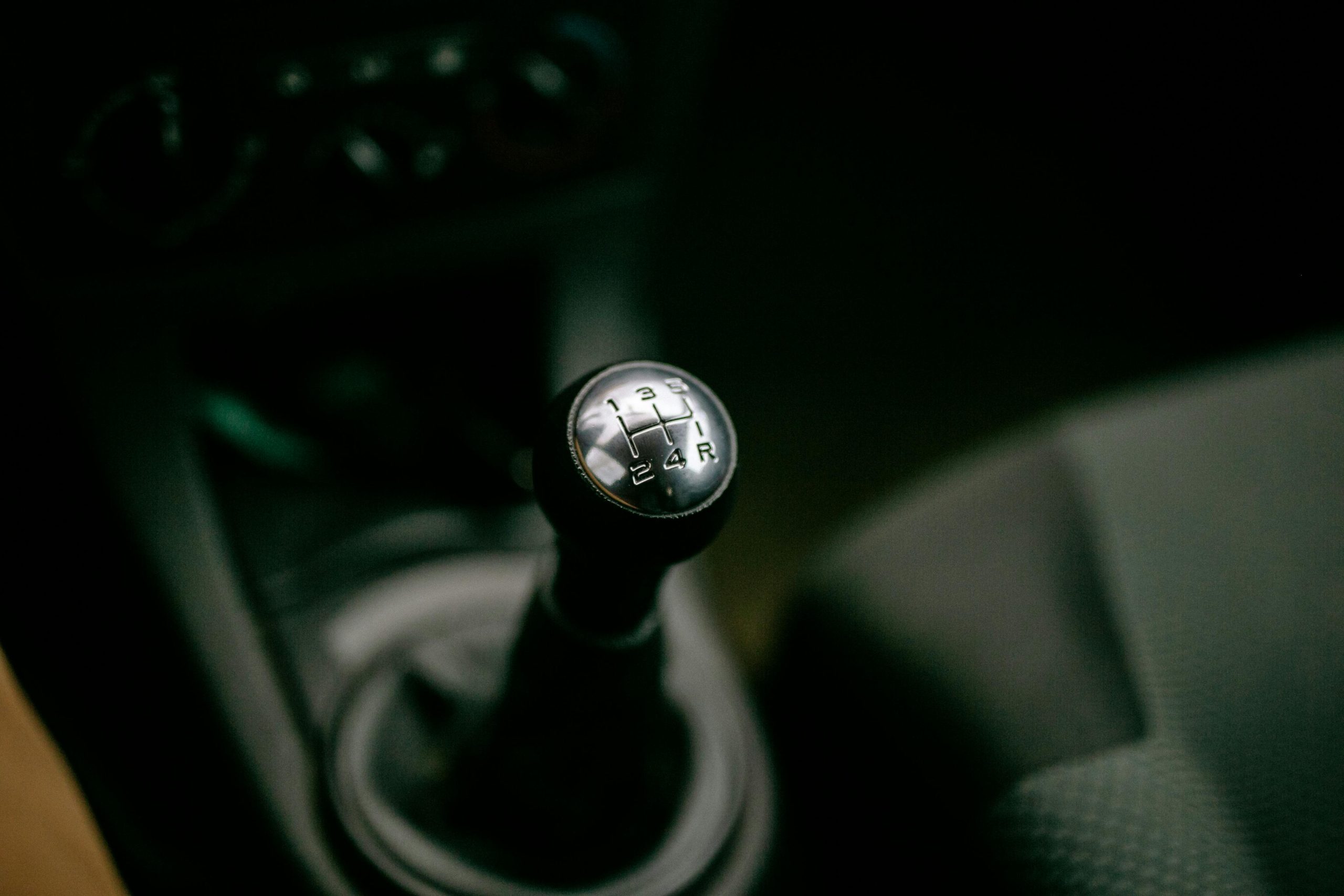
Transmission fluid flushes fuel debate—are they essential preventative care or unnecessary dealer upsells? Get straightforward answers on what fluid flushing achieves, who needs it, and when it is needed by reading about it.
What Does Transmission Fluid Do?
Transmission fluid works as a hydraulic medium that transmits power by flowing to internal gears and components. It also cleans, cools, and lubricates to prevent premature wear through metal-on-metal contact. Over time, consistent heat and friction degrade the protective properties. Contamination also reduces function.
When Do Flushes Become Necessary?
Age and mileage impact fluid condition. Sticking to the maintenance schedule in your owner’s manual keeps fresh fluid circulating. For most vehicles, every 30,000 miles proves ideal. Higher mileage cars over 75,000 miles run better with more frequent flush intervals, too. Usage matters—frequent hauling or towing accelerates breakdown. If shifting suffers or you notice slips, get your transmission inspected.
How Does Fluid Break Down?
Flowing fluid withstands immense heat and friction as transmission components constantly rotate. Intense pressures, velocity, and temperatures twist and shear molecules while churning in use. Common byproducts include metal shavings from gear wear and darker oxidized particles from heat exposure. These contaminants abrasively damage soft precision parts.
What Does a Flush Service Include?
A basic fluid exchange involves draining old contaminated fluid and refilling the transmission with fresh fluid to recommended specifications. More comprehensive flush procedures may incorporate detergent additives to actively break down varnish deposits or use pressurized fluid pumping equipment to thoroughly cleanse internal channels.
How Long Does it Take?
Basic fluid replacement services typically take less than an hour. More complex fluid exchange systems with additional cleaning agents or pumping equipment average 1 to 2 hours. The service team will provide an accurate time frame estimate when you schedule your transmission flush or exchange.
Does a Filter Replacement Help?
Fresh fluid effectively cleans contaminates to prolong transmission life, while replacing the filter prevents additional particles from passing through. Combining new fluid with a new filter makes an excellent preventative maintenance pairing. Our technicians recommend installing a replacement filter, especially for high-mileage vehicles showing any slipping issues.
Will It Improve Performance?
Restoring clean operating fluid often improves transmission responsiveness and smoothness. Proper levels also help regulators and valves work correctly. Preventative flushes guard long-term function but cannot undo serious mechanical damage once worn parts grind away. Think of it as changing oil for longevity rather than remedying slipping or hard shifts late-game.
Is It a Waste of Money?
Comprehensive fluid exchanges match or exceed new vehicle factory fill standards far better than passive fluid topping-off does. Restoring flawless viscosity, friction modifiers, and antioxidants keeps components sliding freely and running cooler. Consider the minimal expense of periodic flushes versus exponentially costlier transmission overhauls down the road.
Can I Do It Myself?
Theoretically, it’s possible to complete a transmission flush on your own. However, it’s challenging for non-pros. Also, home fluid changes risk improper fill levels, incomplete exchanges, or leaks from loose connections. Trained technicians utilize high-volume pumping equipment and verify procedures through procedural checks.
Refresh transmission fluid regularly as engines ingest miles for smoother function, cooler regulation, and prolonged life of intricate components. Kassel Motorsports is here to answer your particular questions about recommended service intervals and transmission fluid flushes. Call us at (253) 423-8466 to schedule an appointment for this service.