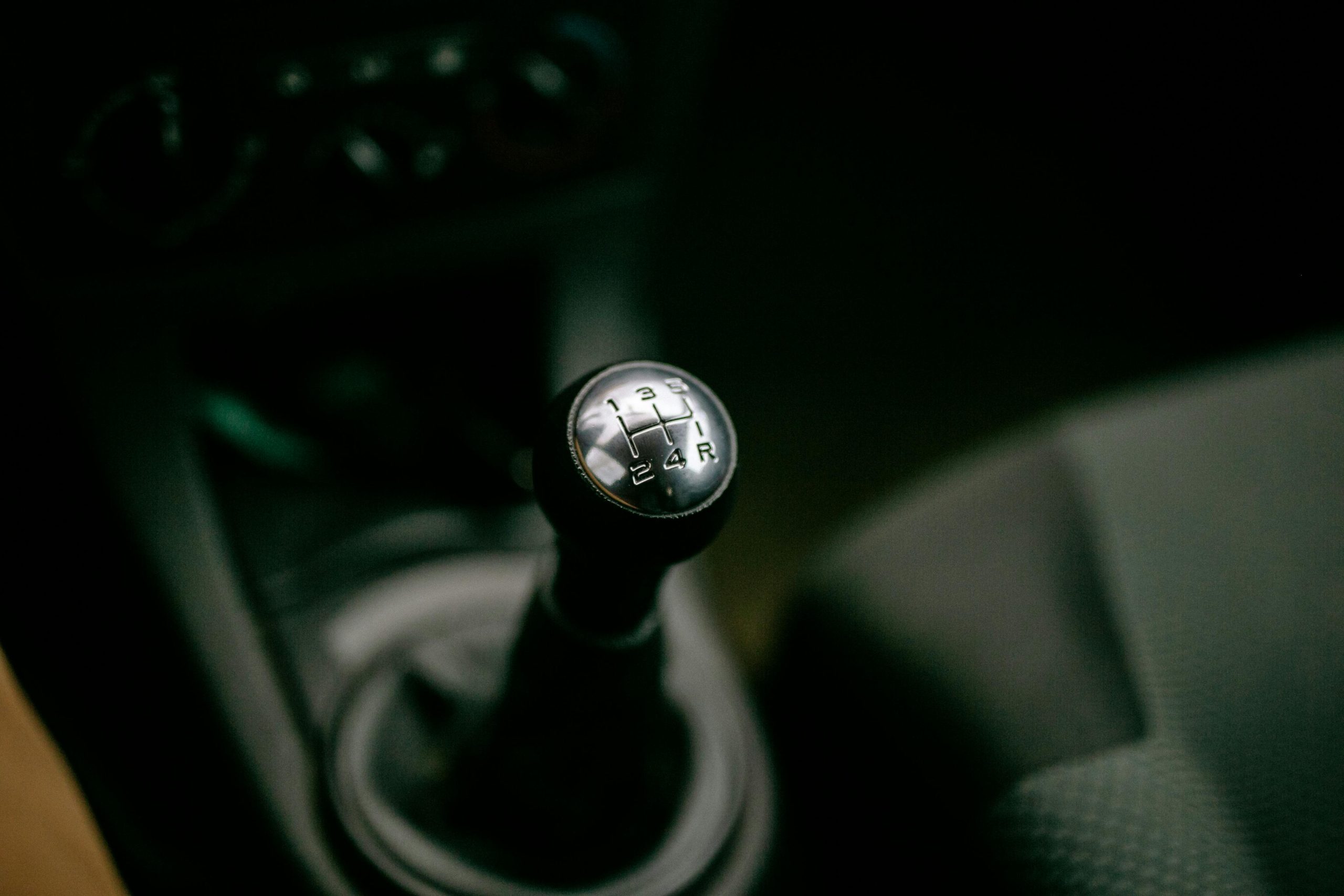
Driving in cold conditions can present numerous challenges, and one of the most frustrating issues is transmission slipping.
This occurs when your vehicle’s transmission struggles to engage properly, leading to jerky movements, power loss, or difficulty shifting gears.
If you want to avoid this issue and keep your car running smoothly during the winter months, follow these practical tips.
What Causes Transmission Slips in Cold Weather?
Before we dive into prevention, it’s essential to understand why transmission slips happen more often in cold weather:
- Thickened Transmission Fluid: Low temperatures can cause your transmission fluid to thicken, reducing its ability to flow freely and lubricate internal components.
- Worn-Out Seals or Gaskets: Older or damaged seals may become brittle in cold weather, leading to leaks or pressure drops within the transmission.
- Delayed Warm-Up: Cold weather affects the engine and transmission systems, which take longer to reach optimal operating temperatures.
- Lack of Maintenance: Neglecting routine transmission maintenance can worsen cold-weather problems.
Preventing Transmission Slips in Cold Conditions
Here’s how you can protect your transmission and ensure a smoother drive during chilly days:
1. Use the Right Transmission Fluid
Transmission fluid plays a crucial role in maintaining the proper function of your car’s transmission.
To prevent problems in cold conditions:
- Check Your Fluid Type: Consult your vehicle’s manual to ensure you’re using a fluid designed to perform well in low temperatures.
- Top Off or Replace: If your fluid level is low or the fluid is old and degraded, replace it with fresh fluid before winter hits.
Regularly inspecting and maintaining the right fluid can keep your transmission running smoothly even in freezing conditions.
2. Warm Up Your Vehicle
Cold engines and transmissions take time to function at their best. Always allow your vehicle to warm up before driving, especially in extremely cold weather.
- Idle for a Few Minutes: Let your car idle for 5–10 minutes before driving. This warms up the transmission fluid, allowing it to flow properly.
- Avoid Revving: Keep engine revs low during warm-up to prevent stress on the transmission.
Warming up your car reduces wear and tear on transmission components and ensures smoother gear shifts.
3. Inspect and Maintain Transmission Seals
Seals and gaskets are vital for maintaining the pressure and fluid levels in your transmission system. Cold weather can make these components brittle, leading to leaks.
- Look for Leaks: Inspect your driveway or garage for signs of transmission fluid leaks.
- Replace Worn Seals: If you notice leaks or cracks, have a mechanic replace the seals before the problem worsens.
By addressing seal issues early, you can avoid costly repairs and reduce the risk of transmission slips.
4. Drive Gently in Cold Conditions
Your driving habits significantly impact the health of your transmission, especially during winter. Avoid aggressive driving to protect your transmission.
- Start Slowly: Accelerate gently and avoid sudden gear shifts when starting your journey.
- Avoid Overloading: Carrying excessive weight puts additional stress on the transmission system.
- Be Cautious with Reverse: Switching between reverse and drive too quickly can strain the transmission, especially when it’s cold.
Gentle driving habits can prolong the life of your transmission and prevent unnecessary strain in cold conditions.
5. Schedule Regular Maintenance
Regular transmission maintenance is essential for preventing slips, no matter the season. However, it’s especially critical in winter.
- Check Transmission Fluid Levels: Low fluid levels can lead to slipping, so make sure they’re checked and topped off during routine maintenance.
- Inspect for Wear and Tear: Have your mechanic look for any signs of damage, such as worn gears or frayed cables.
- Service Before Winter: Get a full transmission check-up before the temperature drops to identify and fix potential issues.
6. Store Your Vehicle Properly
When not in use, keeping your vehicle in a warmer environment can help prevent transmission problems.
- Park in a Garage: Parking indoors reduces exposure to freezing temperatures.
- Use an Engine Block Heater: For vehicles parked outside, an engine block heater can keep the engine and transmission fluid at a higher temperature.
Proper storage protects your car from the worst effects of cold weather and minimizes transmission issues.
7. Invest in Quality Transmission Additives
High-quality transmission additives are designed to enhance the performance of your transmission fluid in extreme temperatures.
These additives can:
- Improve Lubrication: Keep components properly lubricated, even in freezing conditions.
- Prevent Corrosion: Protect internal parts from moisture-related damage.
- Reduce Wear: Minimize wear and tear caused by cold starts.
Always choose additives that are compatible with your vehicle’s transmission system.
Signs Your Transmission Needs Immediate Attention
Even with proper precautions, it’s essential to watch for warning signs that your transmission may need professional repair:
- Delayed Shifting: If your car hesitates or struggles to shift gears, it’s a red flag.
- Unusual Noises: Clunking or grinding sounds can indicate internal damage.
- Burning Smell: This could mean your transmission fluid is overheating or deteriorating.
- Dashboard Warning Light: If your transmission warning light turns on, don’t ignore it; get your car checked immediately.
Final Thoughts
Preventing transmission slips in cold conditions requires a mix of good habits, regular maintenance, and preparedness.
By using the right fluid, warming up your vehicle, and driving cautiously, you can protect your car’s transmission from the harsh effects of winter.
Regular inspections and timely repairs ensure your car stays reliable, no matter how cold it gets outside.
Stay proactive, and your transmission will reward you with years of smooth and trouble-free performance; even in the coldest conditions!