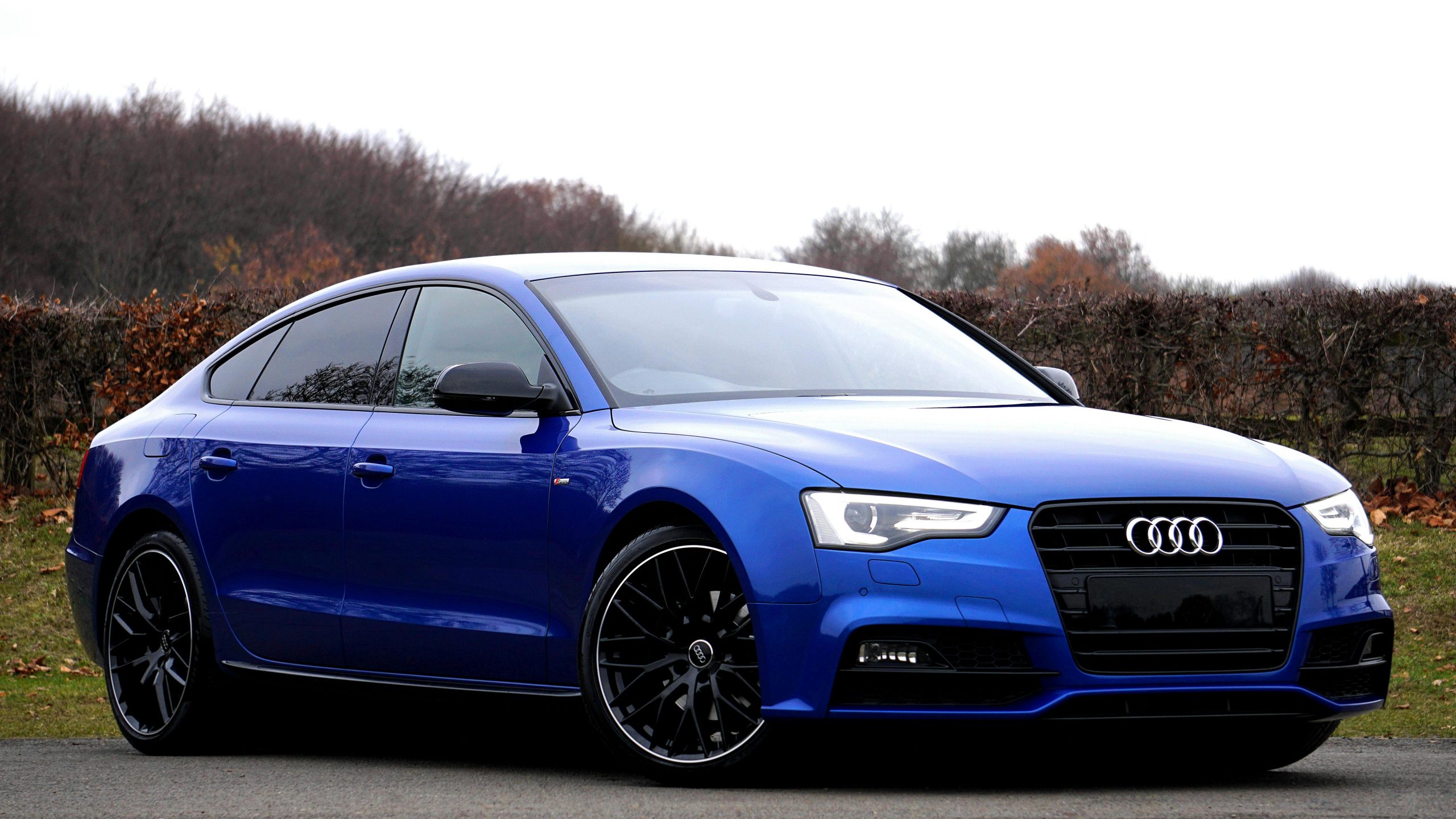
When you think about buying a car, you’re faced with many choices, not the least of which is deciding between American and European models. Each offers unique advantages that cater to different tastes and needs.
You might appreciate the robust, spacious nature of American cars if you frequently take long road trips or need to haul hefty loads. On the other hand, the precision and efficiency of European cars could be more your style if you prioritize handling and fuel economy.
As you weigh these options, consider what aspects of car ownership matter most to you, and what might best integrate into your lifestyle. What will your choice reveal about your driving preferences and priorities?
Design and Aesthetics
European cars are often celebrated for their elegant and sophisticated designs, contrasting with American vehicles’ larger, more functional aesthetics.
You’ll notice that European car makers meticulously craft each model, integrating sleek lines and modern styling that reflects cultural preferences for luxury and style. This focus on visual appeal is evident in everything from the sweeping curves of a sports coupe to the refined elegance of a luxury sedan.
On the other hand, American car makers often prioritize size and practicality, which translates into bold, imposing designs. Their vehicles are built for spaciousness and durability, often sacrificing intricate design elements for robustness and utility.
The differences in design and aesthetics aren’t just about appearance; they reflect distinct cultural values. Europeans tend to value the artistry and craftsmanship that convey status and sophistication, while Americans generally appreciate straightforward, functional design that suits their more pragmatic approach to life.
As you explore these differences further, you’ll understand that belonging isn’t just about being part of a group; it’s about identifying with values and preferences that resonate with you, whether it’s the understated luxury of a European car or the bold functionality of an American one.
Performance and Handling
While design and aesthetics set them apart, the performance and handling of American versus European cars highlight even more distinct differences. You’ll find that European cars excel in handling and performance, particularly due to their focus on agility and precision engineering.
This is essential as European cities often feature winding roads that demand superior handling characteristics. These cars are specifically engineered for high-speed driving in such environments, offering a more dynamic and engaging driving experience.
On the other hand, American cars are typically designed with a priority on comfort and straight-line performance, which may not necessarily translate well to handling capabilities at higher speeds.
They often boast powerful engines, but you might notice they lack their European counterparts’ agility and cornering abilities. This divergence points to a fundamental philosophy in design priorities American cars are built robust and resilient, favoring raw power over the finesse of maneuverability.
Comfort and Size
When it comes to comfort and size, American cars generally offer more spacious interiors and ample cargo space, catering to those who value roominess for long journeys and family needs.
The size difference between American and European cars isn’t just a matter of preference; it’s deeply rooted in practical considerations and cultural contexts.
American vehicles prioritize expansive comfort, making them ideal for covering the vast distances typical in the U.S. with ease and relaxation.
On the other hand, European cars, while typically smaller, don’t compromise on comfort. These vehicles are designed to maximize efficiency and agility in tight spaces, a necessity on narrower, winding European roads.
The compact design is also a boon for parking in densely populated cities. However, they still offer a balanced, comfortable driving experience by intelligently using space and incorporating ergonomic design.
Thus, whether you’re drawn to the substantial roominess of American cars or the efficient use of space in European models, both cater to their environments with designs that reflect a deep understanding of their users’ lifestyles. This insight into regional needs ensures that comfort is a priority no matter your choice.
Fuel Efficiency and Economy
When it comes to fuel efficiency and economy, American cars often lag behind their European counterparts in miles per gallon. This gap stems largely from the differences between European and American approaches to fuel economy regulations.
European cars are designed under stricter standards that emphasize performance and minimal environmental impact, naturally leading to better fuel efficiency.
You’re likely aware that owning a European car can significantly save fuel costs over time. This is due to their advanced engineering focused on maximizing efficiency and minimizing waste.
Conversely, American cars, while often praised for their robustness and comfort, tend to consume more fuel. This can be attributed to less stringent fuel economy standards in the U.S., allowing for larger and more powerful engines that prioritize performance over economy.
Understanding these differences is crucial, especially if you’re considering which type of car aligns best with your values and lifestyle. European cars offer an appealing package of efficiency and lower running costs, making them ideal if you prioritize economy and sustainability. Meanwhile, American cars might appeal more to those who favor power and size over fuel savings.
Durability and Maintenance
While European cars are known for their advanced engineering, they typically incur higher maintenance costs than American cars. This is largely due to the sophisticated nature of European engineering which, while enhancing performance and durability, also demands specialized care.
Maintenance costs for these vehicles can be 40-50% higher than those of their American counterparts. This difference arises not only from the complexity of the systems but also from the higher costs of replacement parts.
The availability of parts plays a significant role in this equation. Replacement parts for European cars often have longer waiting times, contributing to higher long-term expenses.
On the other hand, American cars benefit from more readily available parts, reducing both waiting times and costs. This accessibility can make a big difference if you want lower maintenance expenses.
Moreover, European cars’ intricate design and technology, while contributing to their exceptional performance, also result in higher maintenance needs over time. So, while you might be drawn to the allure of European automotive excellence, it’s important to take into account these potential long-term costs.
Conclusion
You’ve seen how American and European cars stack up against each other—from design to maintenance.
Surprisingly, despite higher upfront costs, European cars can offer savings over time, with an average 15% better fuel efficiency compared to their American counterparts.
As you decide between the raw power of American models and the sleek efficiency of European designs, consider what aligns best with your driving needs and lifestyle. Both markets cater to distinct tastes and practical requirements, reflecting deep-rooted automotive philosophies.
To stay on top of all of your automotive needs, you can always contact us at Kassel Motorsports at at 253-338-5580!